Architectural Tray Roofing Tauranga
Standing seam and secret-fix tray roofing and wall cladding in steel, aluminium, zinc and copper - for houses where the roof is meant to be looked at rather than just to keep the water out.
What Tray Roofing Actually Is
A tray roof is made of wide flat pans separated by raised seams. There are no exposed fixings anywhere on the field of the roof - each tray clips or folds into the next over concealed clips, which is why it is also called secret-fix. The result is a long, clean, uninterrupted plane broken only by the shadow lines of the seams.
Two things follow from that, and they are the reasons architects specify it. Visually, you get a roof with no screw heads and no ribbed profile, which reads as a single surface - particularly effective on the low mono-pitch and skillion designs that dominate contemporary New Zealand architecture. Technically, having no penetrations through the weather surface in the field of the roof removes the most common leak path a metal roof has.
Materials
- Pre-painted steel. The most common and most affordable option, in the same colour ranges as longrun. Coastal grading applies here exactly as it does to any steel roof.
- Aluminium. Naturally corrosion resistant, which makes it a strong choice close to the water at Mount Maunganui, Papamoa or Waihi Beach. Lighter than steel and it will not rust.
- Zinc. Develops a self-healing patina over time and has a very long life. A specifier's material, with a soft grey-blue character that looks like nothing else.
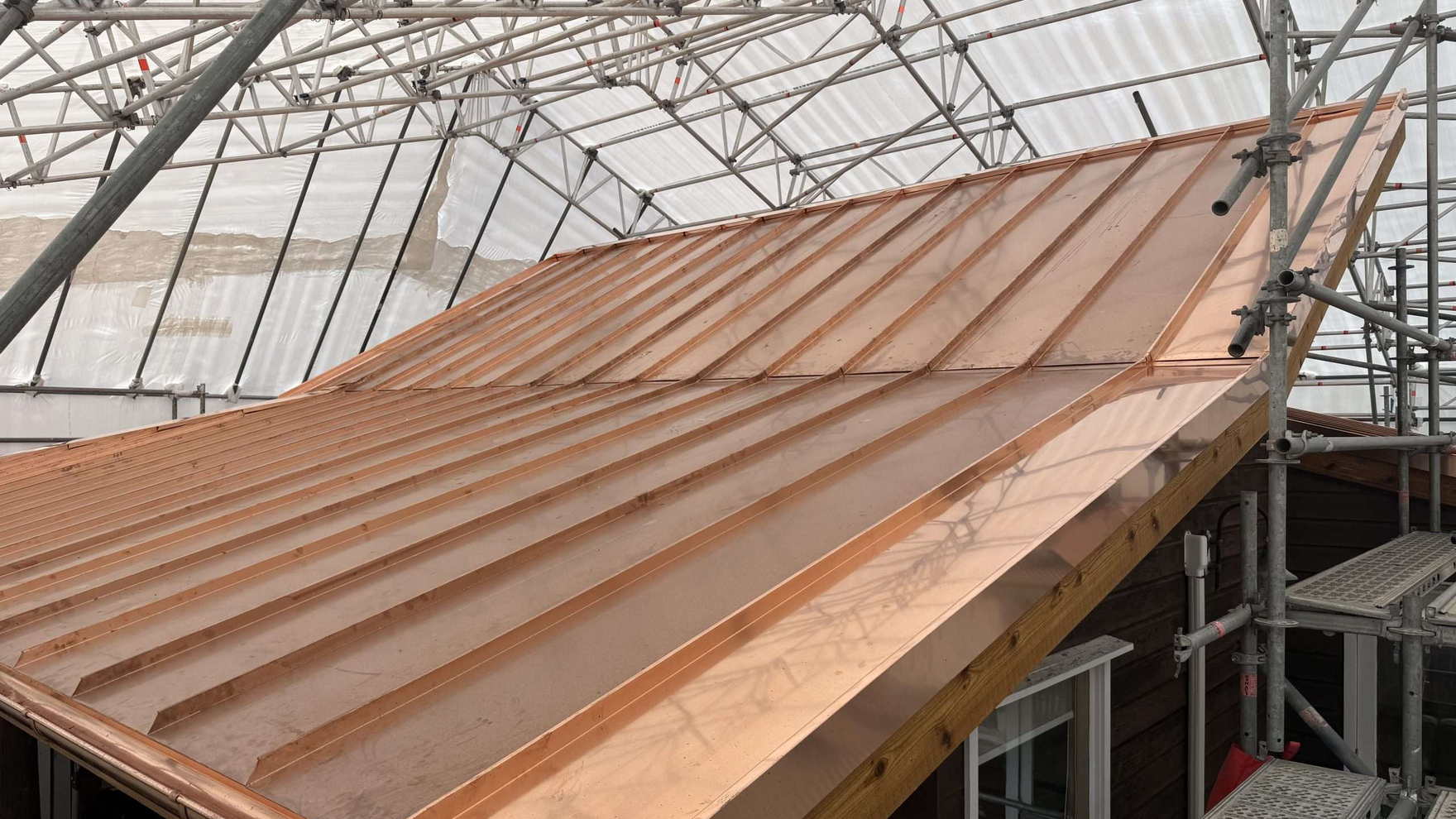
- Copper. Starts bright, weathers through brown to a green patina over decades. The photograph at the top of this page is a copper tray roof we installed. It is the most expensive option and there is nothing else that looks like it.
Matching Wall Cladding
Most tray roofs we install come with tray or interlocking cladding on at least part of the building - a gable end, an entry, a chimney form, or the whole façade. Having one trade do both is worth more than it sounds, because the roof-to-wall junction is where two separate contractors historically point at each other. When we do the roof and the cladding, that detail is unambiguously ours.
Why Tray Costs More
It is not the material, or not mostly. Tray roofing is slower and more skilled work. Trays are typically narrower than longrun sheets, so there are more of them per square metre. Every seam is formed rather than simply lapped. Ends, upstands and terminations are folded rather than covered with a flashing. Curved and tapered work - like the roof in the photograph above - is fabricated to suit.
The upside is a roof that is both the best-looking and, detail for detail, the most watertight metal roof you can put on a house. If you are building something designed and the roof is a visible part of that design, it is usually the right call.
Working With Architects and Designers
We are used to working from an architect's details and to being brought into the conversation early, which on a tray roof genuinely matters - things like minimum pitch, expansion allowance on long runs, and how the roof terminates at a parapet or a gutter are much cheaper to resolve on paper than on site. Send us the drawings and we will come back with a price and with any questions the details raise.
See also longrun metal roofing for the conventional profiled alternative, and new roofs for how we fit into a build programme.
The Details That Make a Tray Roof Work
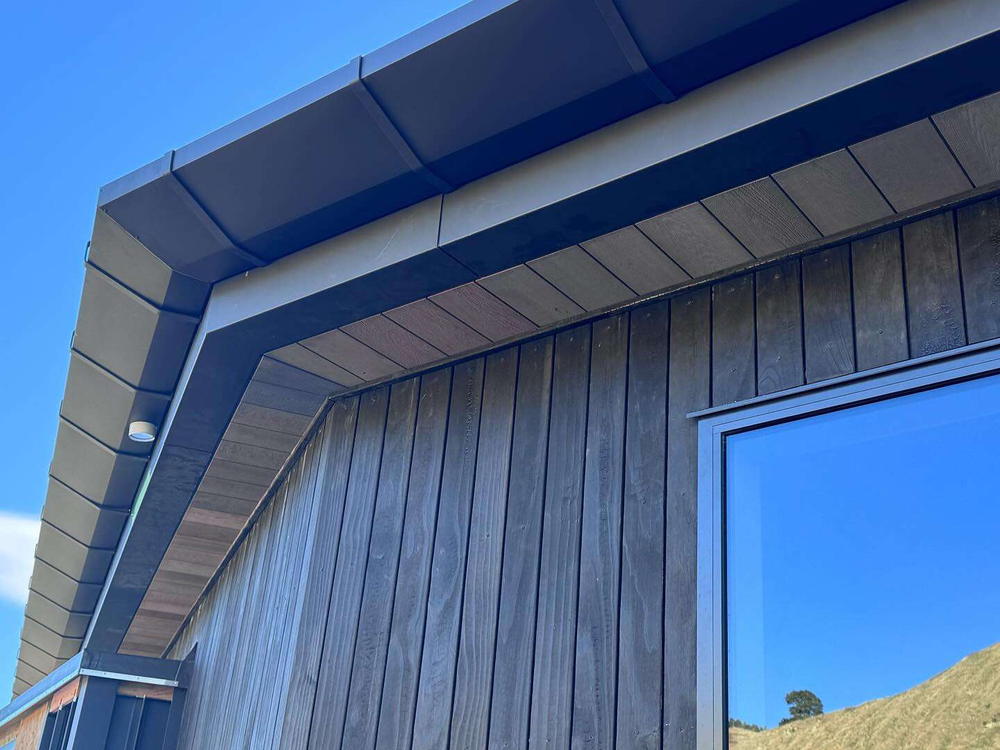
On a designed roof the money is in the junctions, and these are the ones we spend time on.
- Thermal movement. Long tray runs expand and contract measurably. The clip system has to allow it, or the pans oil-can and the fixings work loose.
- Minimum pitch. Every tray system has one, and the low mono-pitch designs that are fashionable sit close to it. Getting it wrong produces a roof that holds water.
- Terminations. Where the roof meets a parapet, a gutter or a wall is folded and formed rather than covered up with a flashing and sealant.
- Dissimilar metals. Copper and zinc in particular have to be kept away from incompatible metals in the rainwater path, or you set up galvanic corrosion that will eat the softer one.
- Substrate and ventilation. A secret-fix roof usually sits on a solid substrate, and that assembly has to be able to dry - condensation under a designed roof is a very expensive thing to discover later.
Tray Roofing Questions
What is the difference between tray roofing and standing seam?
They are closely related and the terms get used interchangeably. Both are flat-pan, concealed-fix systems with raised joints. Strictly, a standing seam is mechanically folded or crimped, while some tray systems clip together over a concealed clip. The visual result and the leak-path advantage are much the same; which one we recommend depends on the pitch, the run length and the material.
Can I have a tray roof on an existing house?
Often yes, as part of a re-roof. What we need to check first is the pitch and the substrate - tray systems generally want a solid deck, so if your existing roof is on open purlins the deck has to be added, which affects the cost.
Is a copper or zinc roof worth it?
If you want the look, nothing else gives it to you, and both are extremely long-life materials. Whether the premium is worth it is a design decision rather than a technical one, and it is your call. What we will do is give you honest numbers for copper, zinc, aluminium and steel side by side rather than steering you.
Do you do curved or tapered tray work?
Yes. The copper roof photographed at the top of this page is curved. Curved and tapered trays are fabricated to suit the roof rather than bought in, so bring us the drawings early.
What Else We Do
Everything below is roofing we do right across Tauranga and the Western Bay - new builds, replacements, repairs and maintenance, residential and commercial.
New Roofs
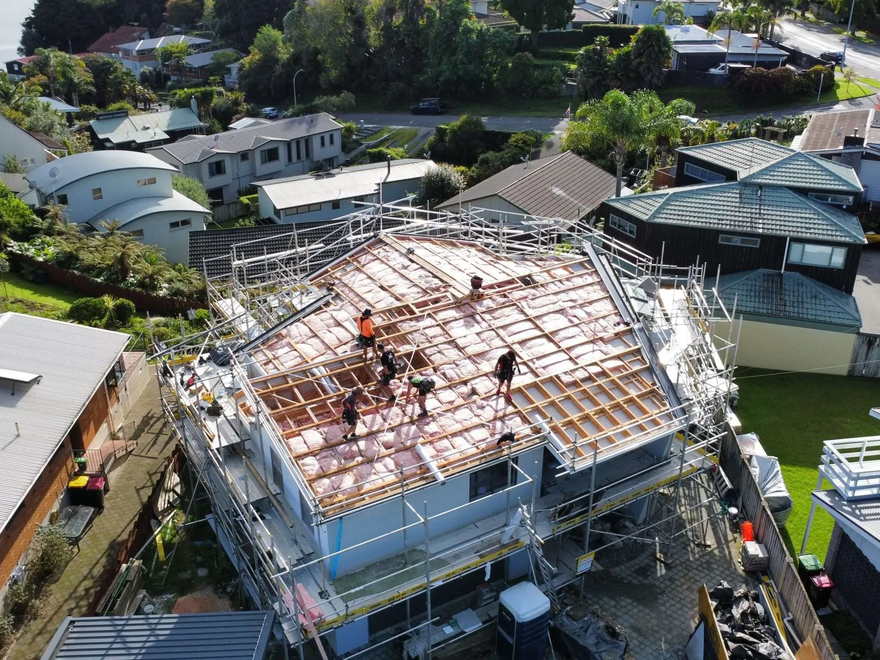
Roofing for new builds, extensions and architectural projects across Tauranga, booked around your build programme so the frame is not left sitting open. Read more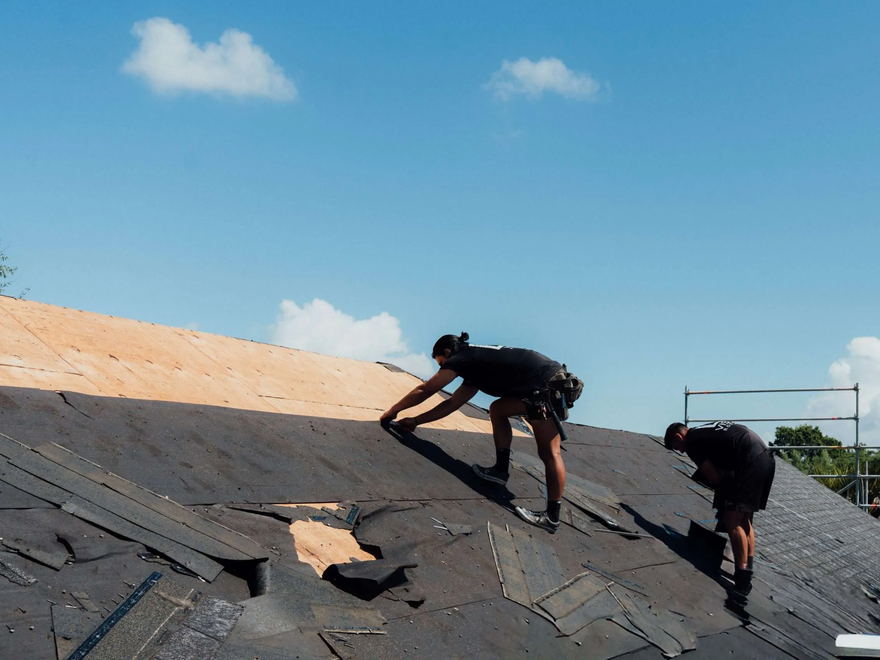
Re-Roofing
Full roof replacement on an existing home. Old roof off, any rotten timber sorted, new roof on, and watertight before we leave at the end of the day. Read more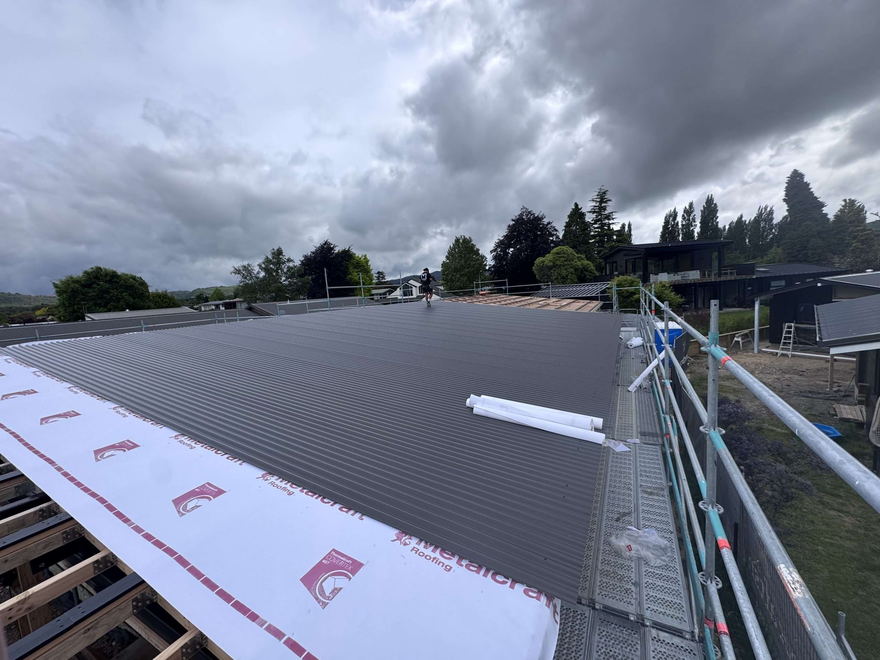
Longrun Metal Roofing
Corrugate and trapezoidal longrun in COLORSTEEL and Colorcote, rolled to the full length of the run so there is no end lap for Bay of Plenty rain to find. Read more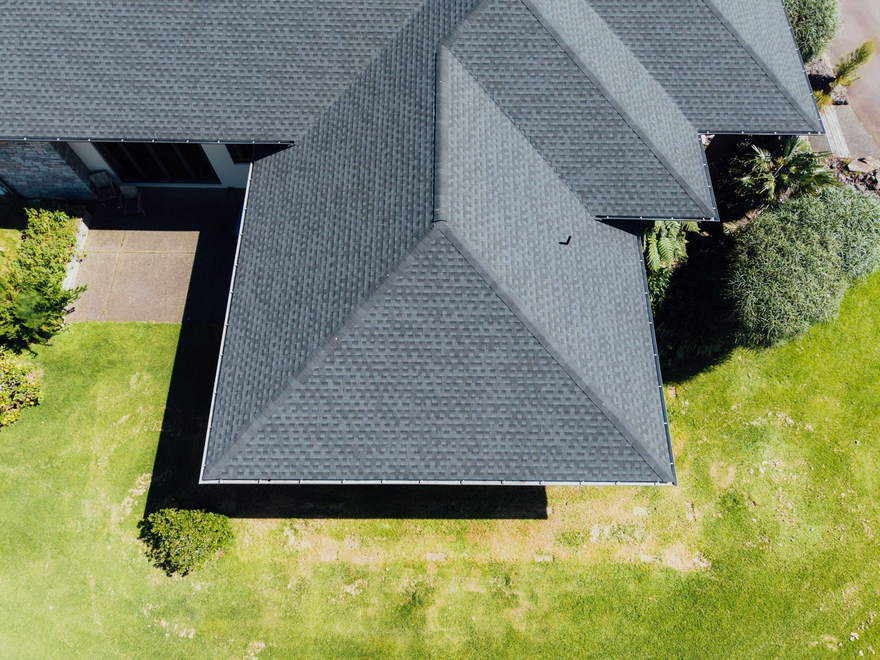
Asphalt Shingle Roofing
Laminated asphalt shingles over a fully sarked deck. Quiet in heavy rain, excellent on complex hip roofs, and a very different look to a metal roof. Read more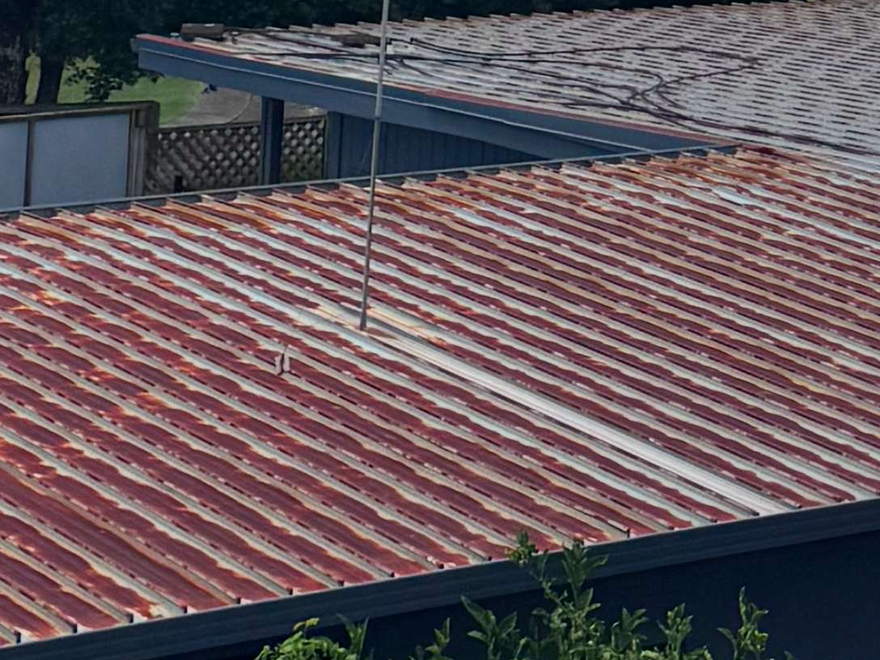
Roof Repairs
Leak finding, flashing and fixing repairs, storm damage and lifted or cracked shingles, plus an honest answer on whether a repair is worth doing at all. Read more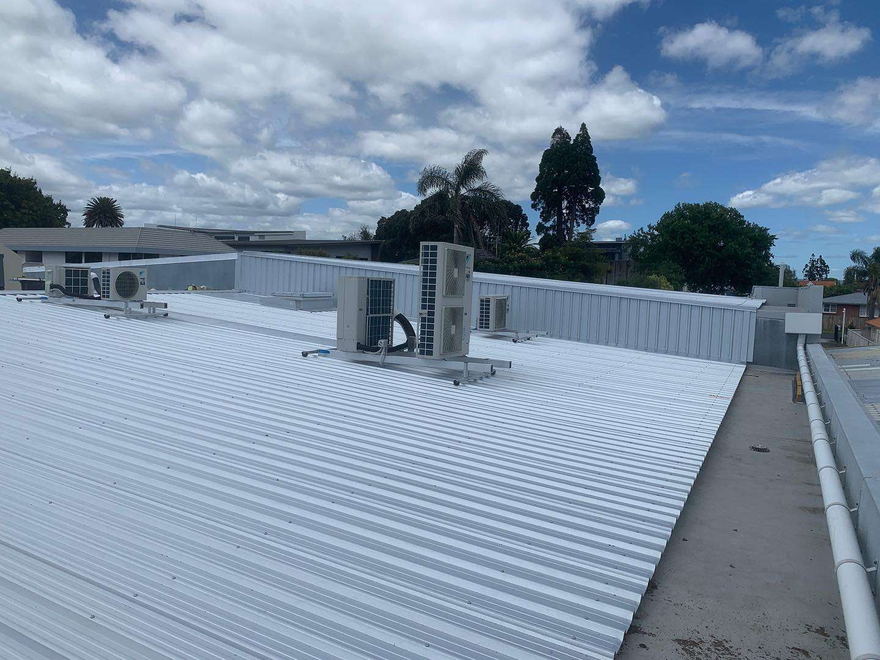
Commercial Roofing
Warehouses, retail, schools and body corporate work across the Western Bay, programmed around your trading hours rather than ours. Read more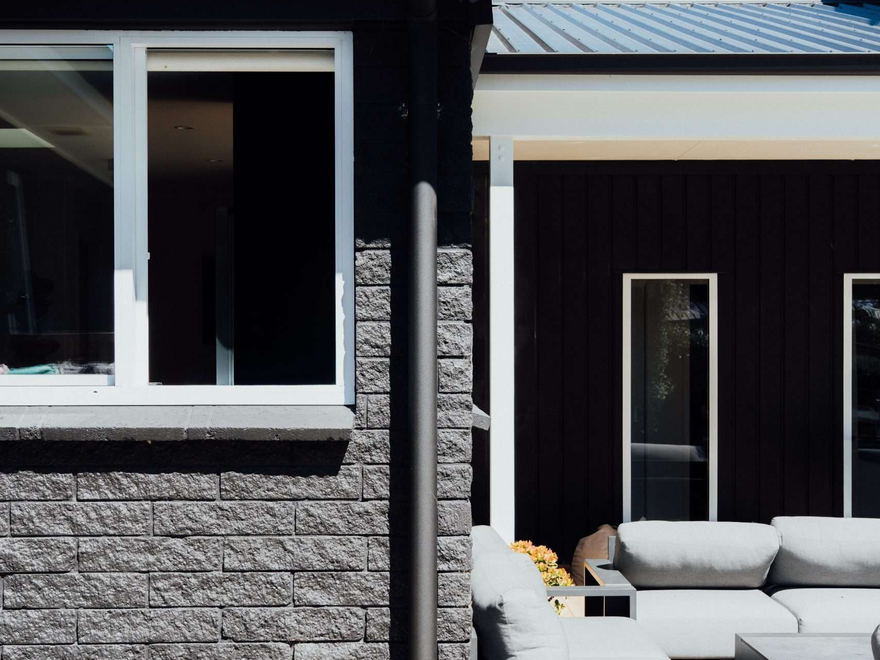
Spouting & Downpipes
Continuous and sectional spouting, downpipes, fascia and internal gutters, sized to actually carry a Bay of Plenty downpour rather than just to look right. Read more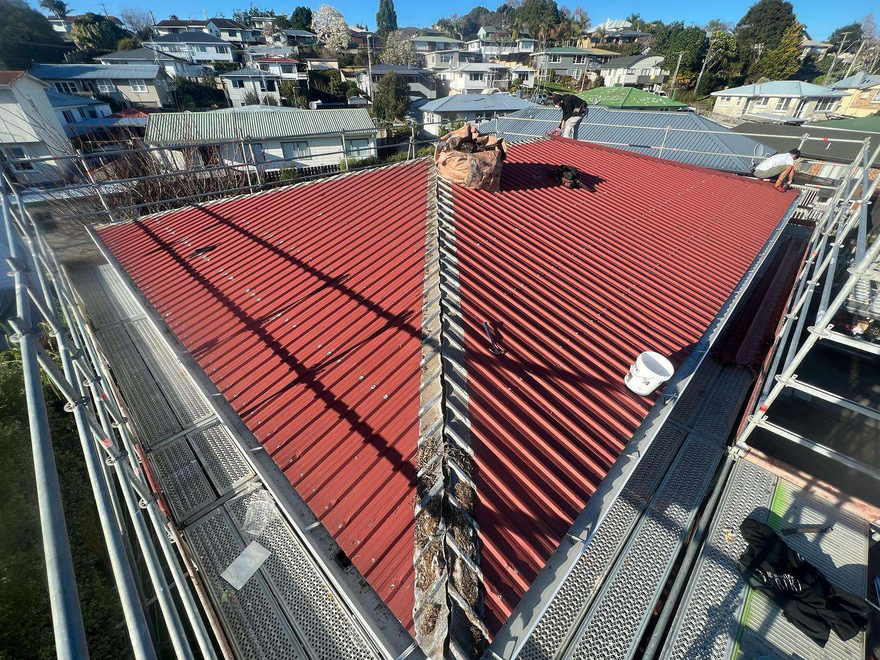
Roof Painting
Wash, treat, prime and coat. The way to get another decade out of a structurally sound roof that has simply lost its colour. Read moreGet a Free Roofing Quote in Tauranga
Tell us what the job is and roughly where it is, and we will come out, get up on the roof and give you a written price. No obligation, and no pressure if you want to sit on it and think it over.
027 535 1148- [email protected]
- Based at Mount Maunganui, working across Tauranga and the Western Bay
- Monday to Friday, 8am to 5pm
Roof leaking right now? Ring rather than filling this in - we will get someone to you faster than an email gets read.